Follow us on Facebook for Training Tips
Physique Coaching Tips from Twitter
DeVine Physiques on Yelp!

Archive for the ‘Nutrition’ Category:

Accurately Measuring Frozen Yogurt

Are you a fan of frozen yogurt?  Most people are–  It’s a delicious treat that can be a relatively low calorie dessert, especially when compared to other desserts like ice cream, cake, etc.  Have you tried to track your frozen yogurt in your nutrient tracker?  Probably, but here’s a very important note about measuring your froyo. . .  In most cases, the Calories are reported per fluid ounce (fl. oz.),which is a volume measurement; however, the weight on the scale is just that–  it’s a weight measurement.

Weight measurements are much more accurate than volumetric; especially when you consider how many times you’ve brought a measuring cup to get frozen yogurt. . .  So how do we get our weight measurement converted into a volume measurement to accurately track our frozen yogurt?  Let’s start by figuring out the weight of the frozen yogurt alone–  You will do this by weighing the empty cup, weighing the final product, and then subtracting the values.

Froyo measuring

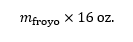
If the scale measures in ounces, you can skip this next step; however, if the scale measures in terms pounds (e.g. 0.50 lbs.), you will need to multiply the measurement on the scale by 16 to determine how many ounces you have.

2

Now that you have the accurate amount of ounces measured of froyo, we can use the density of froyo to convert from weight to volume.  I got this information from the head of nutrition at Menchies, and is a general measurement–  there may be slight variations between flavors, but it’s still enough to give us a pretty accurate measurement.  Take your weight measurement and divide it by the density (0.802) to give you your accurate volumetric measurement for your froyo.

3

These steps need to be repeated if you have different flavors, though if you do a swirl, that makes it easy since half of the volume will be one flavor, and the other half will be the other.  If you get toppings, be sure to subtract those totals from your froyo measurement, and don’t forget to track your toppings as well!

It’s worth noting that some places have started reporting their nutrition in terms of weight, which negates the need for most of this article; however, looking at the nutrition facts for Yogurtland and Menchies, you can see it’s still reported as volume. (In the case of Menchies, they report it “per 1/2 cup,” which is the equivalent of 4 fl. oz.)

The first time you calculate this, it will take a little thought, but after doing it once, it becomes very routine and is simply done on your phone’s calculator.

Archive for the ‘Nutrition’ Category:

Accurately Measuring Frozen Yogurt

Do you know what a complex carbohydrate is?  I would argue that most people don’t, as there are a lot of misconceptions about what makes a complex carb.  The term is thrown around a lot, and is used to mean “slow digesting,” or in some really incorrect cases, “healthy.”  One of my favorites is when people recommend only eating complex carbohydrates like fruits and vegetables.

. . .  Really?  Fruits?  Fruits are mostly “simple carbs,” which many associate with being “bad” for you.

When it comes down to it, whether a carbohydrate is “simple” or “complex” really doesn’t matter.

What is a carbohydrate?

In simplest terms, carbohydrates are sugars.  All carbohydrates, when digested, will be broken down into one of 3 simple sugars, which are called “Monosaccharides;” you may recognize the names of them: Glucose, Fructose, and Galactose.  (This is why carbohydrate choice ultimately doesn’t matter, since all carbohydrates consumed will be broken down into one of these, a topic I’ve covered before.)  (Source)

How are carbohydrates classified?

In broadest terms, carbohydrates can be broken down into one of two camps:  Simple Carbs, and Complex Carbs.  The difference between these is a very easy to understand distinction:  If the carbohydrates are present as single (or double) sugars, it’s a simple carb; if the carbohydrates form longer chains (of more than 2 sugars), it’s a complex carb.  Another name for a complex carb is “starch,” which is defined as a long chain of sugar molecules.  (Source 1 | Source 2)  You’ll notice that “starch” is used to refer to potatoes, which are frequently called “simple carbs” and people are told to avoid them.  That’s not the case.

Pictured: Complex Carbs.

Pictured: Complex Carbs.

That’s all there is to it.  An easy way to think of carbs is like a chain–  Each link on the chain is a single sugar.  If you have 2 or less links, you don’t really have a chain, so instead, you have sugars:

8534439-abstract-3d-illustration-of-single-chain-link-with-golden-element

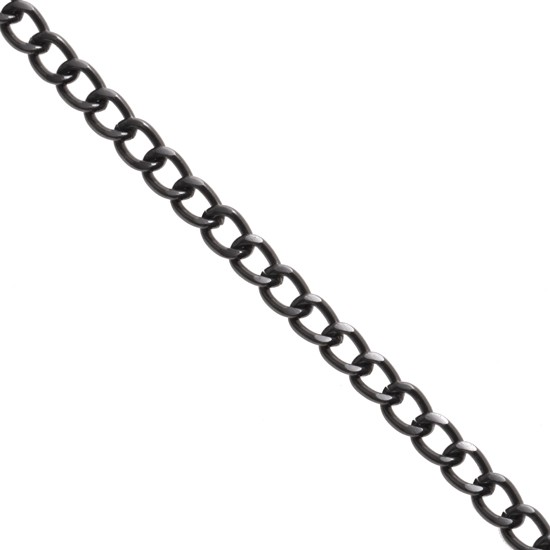
If you 3 or more links, that’s considered a chain, and that is a complex carbohydrate.  This includes a wide variety of foods, from potatoes to rice (both brown and white); from bananas to broccoli:

metal-chain-110225-gunmetal


So should I still pick brown rice over white if they’re both complex carbs?

If you’re going for the most healthful choice, going with the “brown” versions of foods is the better choice–  Brown Rice has more fiber, phytochemicals, and micronutrients than white; while both are tasty and fine to eat, if you want to make a choice that will offer more nutrition (and possibly keep you full longer), brown rice will be better.  Same with breads and other grains–  The whole grain option is a smarter choice, but that doesn’t mean that the alternative isn’t a complex carb.

Don’t get caught up on the nomenclature bandwagon–  Make smart choices that are right for you (which are hopefully the healthful choices), and you will be fine!

Archive for the ‘Nutrition’ Category:

Accurately Measuring Frozen Yogurt

Recently, I was at an event where they had a bunch of food trucks out, and one of those food trucks was the Grilled Cheese truck.  Of course, their entire menu looked absolutely incredible, but as is usually the case, they don’t have nutrition facts; and I’m sure if I asked them to weigh each ingredient as they prepared it, they would laugh at me.  Or tell me to “live a little.”

Anyway!  I took a picture of their menu so that I could go home and replicate these ideas in my own kitchen, with my own ingredients, with the food carefully measured so that I may know the nutrition facts.  The result?  Grilled Mac ‘n Cheese Sandwich.  This post will offer two recipes, since I first need to tell you how to make my new Mac ‘n Cheese recipe; then I’ll go into the Grilled part of it.

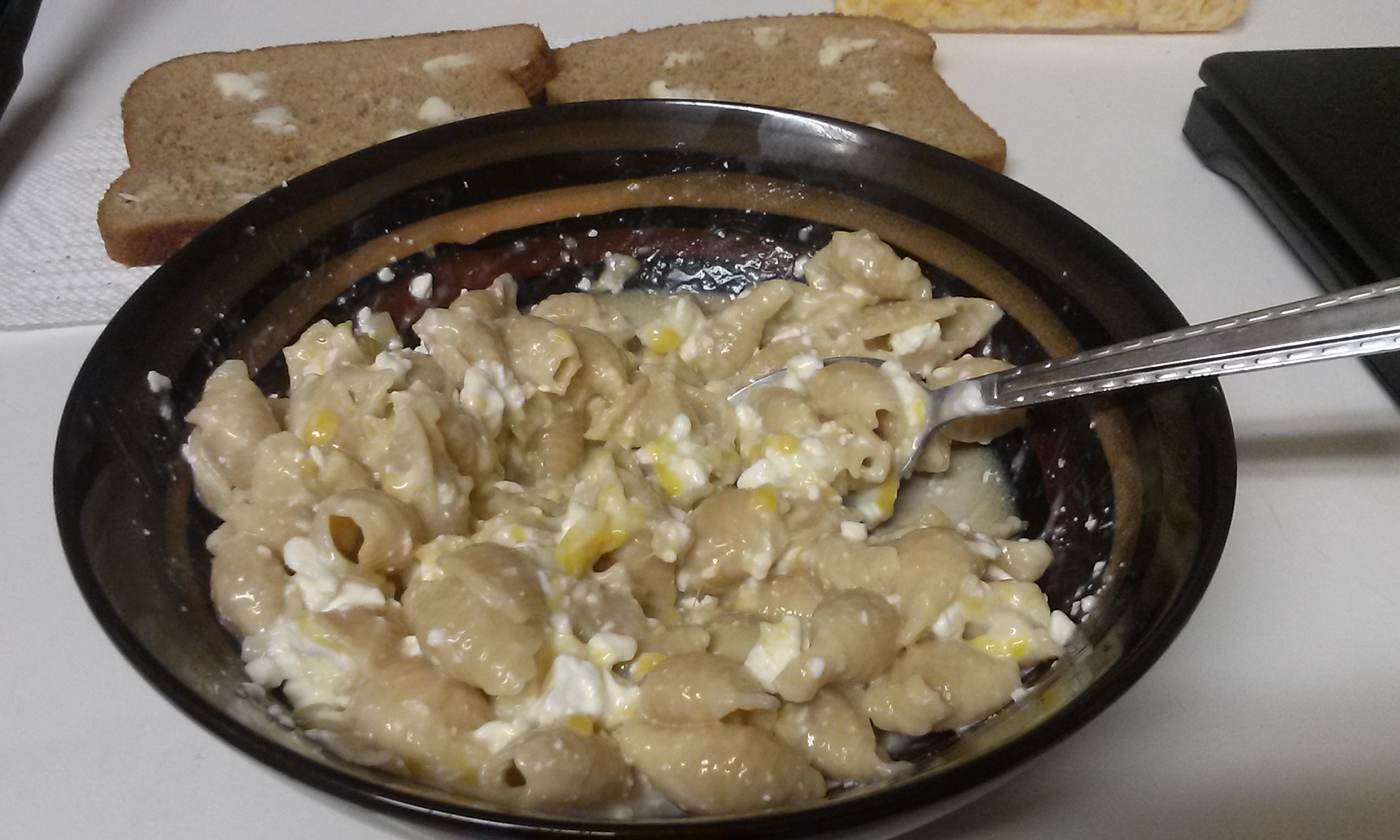
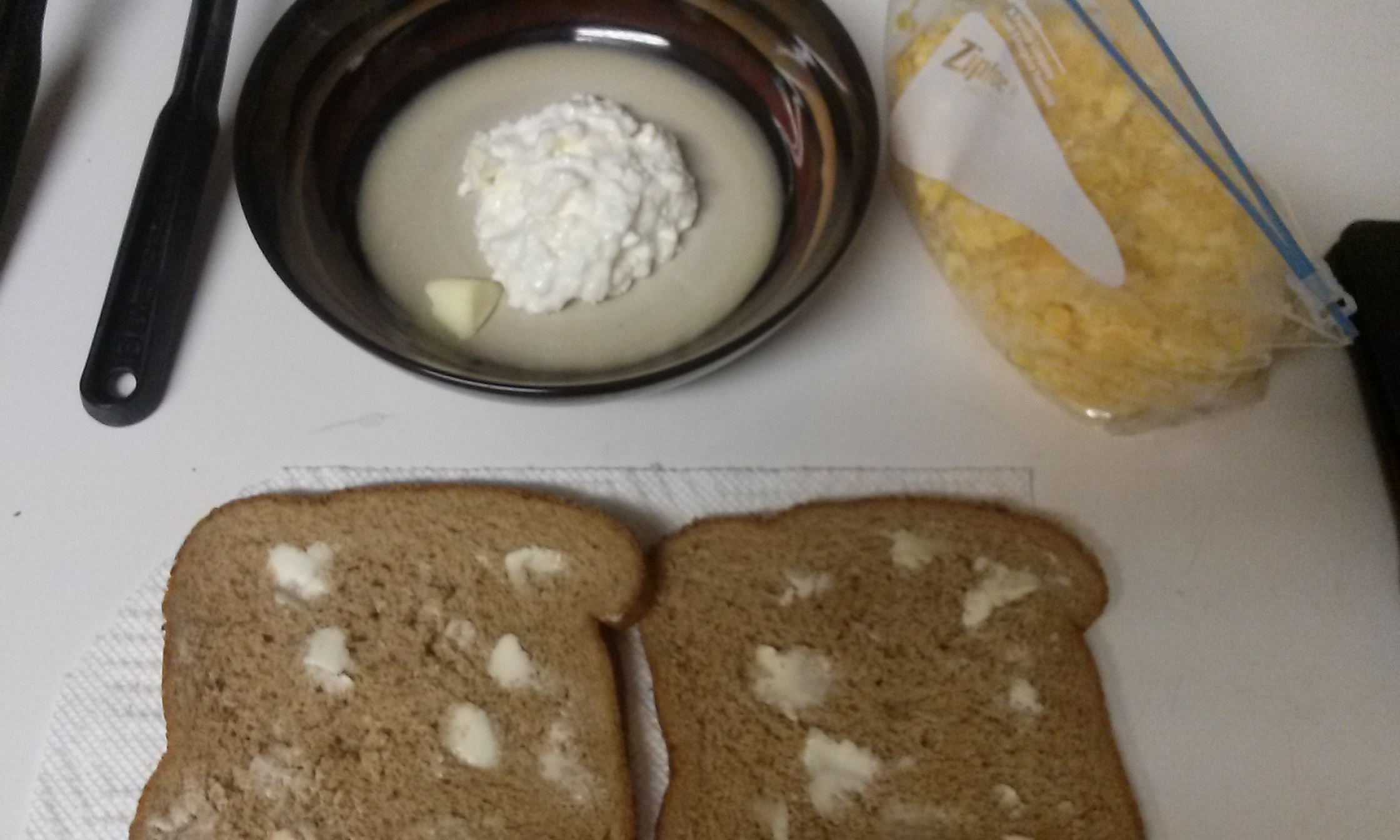
So first, cook your pasta–  I choose a wheat (mostly whole grain) medium shell pasta.  I cooked a serving, which is 56g of pasta.  While that’s cooking, you can exercise immense self control and prepare your bowl to accept the pasta by putting 4g of butter and 100g of cottage cheese in it.

Once the pasta is finished, put it into the bowl, and add 34 of colby jack cheese on top.  Salt to taste (which if you’re me, happens to be a fair amount).  Voila!  Mac ‘n Cheese that is incredibly delicious!

This picture doesn't quite do it justice. . .

This picture doesn’t quite do it justice. . .

Recap of Ingredients + Nutrition Facts for Mac ‘n Cheese

Ingredients: 56g Wheat Medium Shell Pasta; 4g Salted Butter; 100g Cottage Cheese; 34g Colby Jack Cheese.

Nutrition Facts: 425.5 Calories; 47g Carbohydrates; 20g Fat; 25g Protein.

Let’s take it one step further. . .

Grilled mac n cheese recipe

Oh yeah.

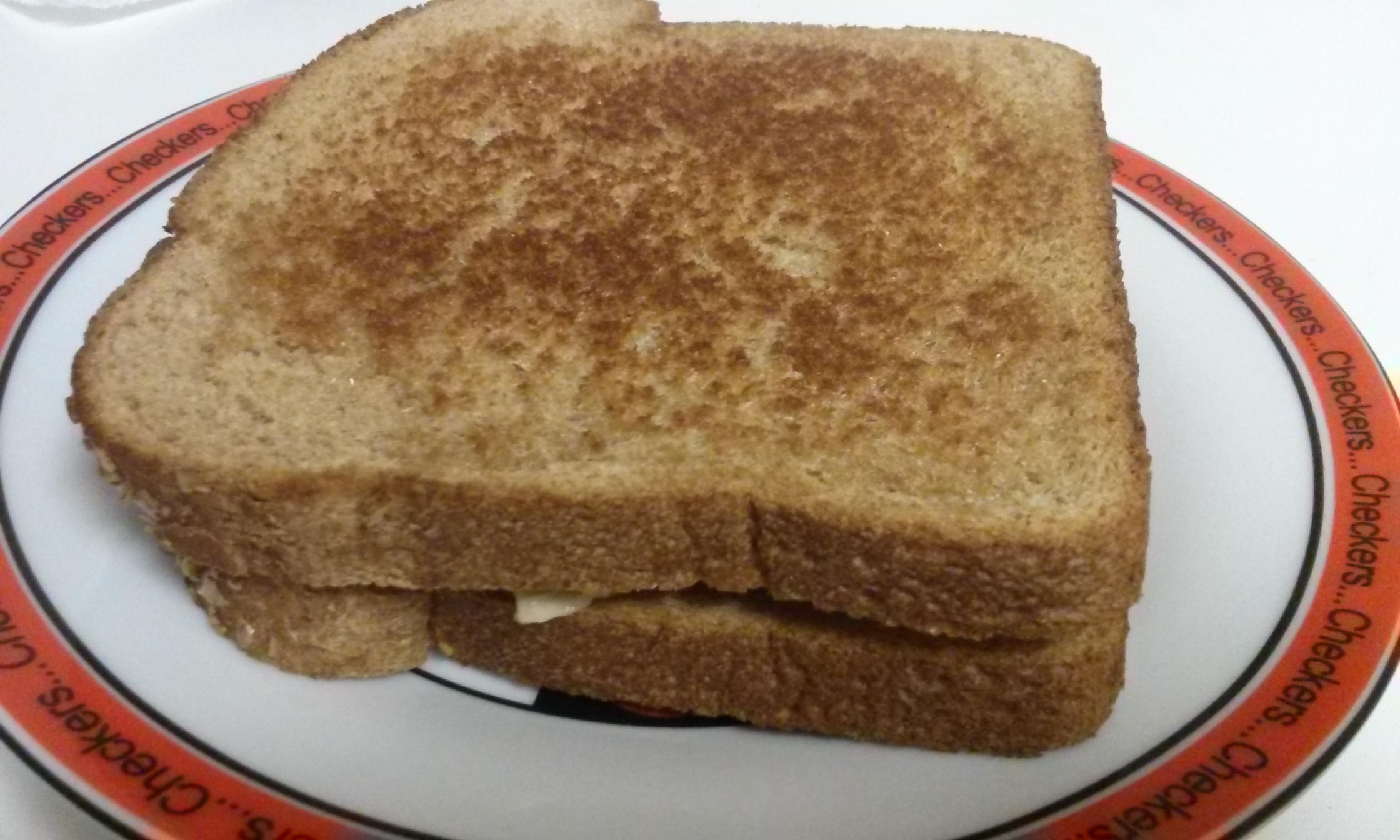
Two slices of whole grain bread and another 4g of butter with the previous ingredient list gives us our Grill Mac ‘n Cheese Sandwich.  Butter two slices of whole grain bread and start your skillet at a medium temperature.  Placing the butter side down, lay down a piece of bread, and place Mac ‘n Cheese on top, liberally.  Place the other slice on top with the butter side up.  Cook to the desired crispiness.

grilled mac 'n cheese recipe

#NomNomNom

How was it?

I absolutely love my Mac ‘n Cheese–  I think it’s incredible!  My Grilled Mac ‘n Cheese needs a little refinement.  It was incredibly delicious, but I feel like it needs a little bit more colby jack cheese added during the grilling phase.  Next time I’ll probably add about 10g of cheese, but it was still fantastic!

Recap of Ingredients + Nutrition Facts for Grilled Mac ‘n Cheese Sandwich

Ingredients: 56g Wheat Medium Shell Pasta; 76g (2 slices) Whole Grain Bread; 8g Salted Butter, 100g Cottage Cheese; 34g Colby Jack Cheese.

Nutrition Facts:  635 Calories; 83g Carbohyrdrates; 22g Fat; 33g Protein.

Important note:  Neither of these are low Calorie options; compared to their “real world” counterparts, they may be a better options, but they’re still incredibly energy dense.  And filling.  And delicious!

Archive for the ‘Nutrition’ Category:

Accurately Measuring Frozen Yogurt

Welcome to Part 4 of my series on flexible dieting–  Let’s recap:  We now know that all Calories really are just Calories (energy);  We also know that all carbohydrates end up as one of the same 3 compounds whether it comes from ice cream or a banana.  We’ve also learned that we need to be nonrestrictive in our food choices to avoid an unhealthy relationship with food and disordered eating patterns while increasing our chances for success and enjoyment.

So what is there to talk about now?

This isn’t a topic usually discussed with flexible dieting since most that follow this protocol focus on the idea that you can lose weight (or achieve any goal, really) while eating any food you want as long as you control your energy expenditure.  While that is true. . .  (Source)

. . . Following flexible dieting while being mindful of the healthfulness of your nutrition plan is important!  A topic I touch on with all clients, and that I stress with those who are in the more advanced stages of their nutritional planning, is the idea of variety and food choices.

I eat a variety of foods daily–  What variety are you talking about?

When I talk about variety, I’m not purely talking about different foods–  You could get plenty of variety of grains, but fail to really reap the benefits of “variety.”  An example is eating white bread, white rice, animal crackers, and refined pasta, all in the same day.  By variety, I mean selecting as diverse foods as possible in group, type, and color.

What do you mean by “Group”?

By group, I mean food group–  This is a fairly obvious, but in practice, most people find it hard.  When examining your nutrition for a day, ask yourself: are you getting multiple servings of fruits and vegetables?  Are you consuming a lean protein source?  Are you getting a dairy product, or dairy substitute?  Are you consuming a nut product and / or legumes?  Is there some whole grain in there?  Are you consuming a mix of carbohydrates, fats, and proteins?

These are the sorts of questions you should be asking when you look at your food for the day, and it’s a good idea to maximize variety–  Not only does this help to maximize the amounts of different vitamins and minerals, but it also gives you a wide assortment of phytochemicals, which have been shown to have plenty of positive health benefits.  (Source 1, Source 2)

As a subset of group, I also bring up “type,” because there are benefits of consuming different types of foods, as well!  Are you getting leafy green vegetables as well as cruciferous vegetables?  Are you deriving all of your grains from refined sources, or is there a mix of refined and whole grains?  Better yet, are all of your grains whole grain?  Are you consuming different types of meats / protein sources?

Group and type, as well as color, are ways to maximize the healthfulness of your nutrition plan.

Color?  You mean I have to discriminate against certain foods?

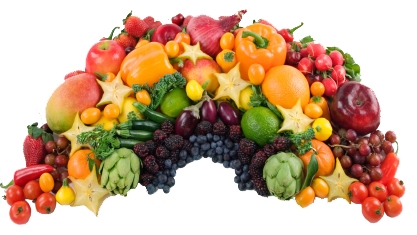
Not what most people think of when they hear "taste the rainbow."

Not what most people think of when they hear “taste the rainbow.”

The different colors of different foods help you to determine the nutrient and phytochemical content of the food.  (Source)  Red fruits and vegetables contain Lycopene (as well as countless other nutrients and chemicals), a powerful compound that might have an effect on reducing the incidence of certain cancers. (Source 1, Source 2)  That’s just one example.  There are many different compounds derived from all of the different colors; you can read more about it here.

It sounds like you’re only talking about healthy stuff. . .

When it comes to flexible dieting, there is definitely room for foods that aren’t necessarily nutrient dense–  That’s the whole point of it.  Rather than leave any food off limits, you make room for it.  Here’s something else to keep in mind, though:  Just because a food is more enjoyable, doesn’t mean you can’t think of the health benefits.  Take dark chocolate for example–  It’s packed full of vitamins, minerals, fiber, and phytochemicals.  (Source)  Does this mean you should eat 300 Calories worth of chocolate each day?  Not necessarily, but it also means that foods you may typically associate with being a “Free Food” (One that may not be that nutritious) isn’t always devoid of health benefits.  In fact, while there are foods / beverages that are nearly devoid of nutrition (chips and sodas), most foods have some nutritive value.

Is there a “wrong way” to do Flexible Dieting?

Here’s what I advise people do–  When tracking your nutrition, be sure to track your fiber intake from non supplemental sources.  If your fiber intake is adequate, the chances are, you’re making smart choices in your food, since you’ll be consuming a variety of whole grains, fruits, vegetables, nuts, legumes, etc.  So how much fiber do you need in a day?  (Source)

  • Fiber needs for Men: 38g / Day
  • Fiber needs for Women: 25g / Day

It’s also worth noting that, if your goals include fat loss, you’ll likely be eating in a Calorie deficit–  By choosing more nutrient dense, high fiber foods, you can help keep yourself full since fiber helps with satiety, and you can typically consume higher amounts of nutrient dense foods.  Don’t believe me?  Weigh out 100 Calories of Broccoli vs. 100 Calories of Chips, and tell me which food has more volume.

There is another way to do flexible dieting wrong, and that is the obsession with trying to eat a “perfect” diet.

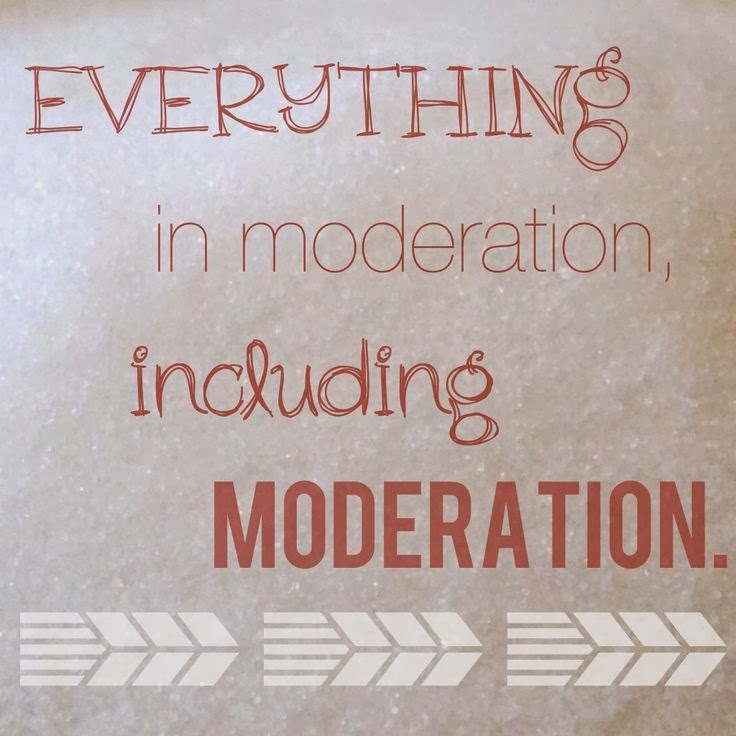
There is no perfect diet; and remember that even an obsession with healthfulness can lead to a disordered eating pattern known as “Orthorexia.”  That’s why, as much as I love maximizing the healthfulness of my food, I eat ice cream, animal crackers, pancakes, chocolate truffles, See’s Bordeaux Eggs, and other less than nutritive foods on a daily basis–  I want to eat them, so why restrict myself?  Remember:

Words to live by.

Words to live by.

Plus, ice cream is a dairy source, right?  =)

What I recommend everyone do:  Leave between 10 and 20% of your Calories for the so called “free foods.”  At the same time, when selecting the foods for the rest of your diet, select options you enjoy!  This will help create a great relationship with your healthful nutrition plan!

Archive for the ‘Nutrition’ Category:

Accurately Measuring Frozen Yogurt

Welcome to Part 3 in my series on Flexible Dieting / IIFYM.  In part 1, we learned that where your Calories come from isn’t important since all proteins, fats, and carbohydrates, regardless of source, will be digested into the same thing; in part 2, we discussed what a Calorie is (just a unit of energy).  In part 3, which will be very a relatively short post, we’re going to talk about one of the most important principals regarding flexible dieting:  “Non Restrictive Dieting.”

How can a “Diet” be Non Restrictive?

I had a client once tell me that the nutrition plans I recommend are still restrictive because you have to restrict your Calorie intake.

When I (and others) talk about flexible dieting, “Non Restrictive” refers to food choices; not Calories.  No matter what, if you want to lose weight, you have to lower your energy intake–  That’s a characteristic of any weight loss plan.  (Source)  In fact, when it comes down to it, when it comes to Calories, every nutrition plan is restrictive in some way–  If you want to maintain your weight, you have to “restrict” yourself to eat at maintenance; if you want to gain muscle, you have to “restrict” yourself to eat only a certain amount above maintenance, otherwise you could gain a much higher amount of fat.

Non restrictive dieting is about choices, and following a non restrictive diet just makes it easier to maintain and more enjoyable.  Quite often, I tell my clients about some of the food choices I make, because it’s the easiest way to demonstrate how non restrictive diets work.  On a regular basis (while dieting down for a bodybuilding show), I eat chocolate truffles, ice cream, ice cream bars, cookies, baklava, etc.

Pictured: Diet food.

Pictured: Diet food.

How do you do that and lose weight!?

Remember to our last posts:  What is most important is that I stay within my Calories (which I do every day); and my body can’t tell if the sugars I consumed came from a banana or a cookie.  I’m in a net energy deficit, which means I will lose fat.

So I can eat nothing but ice cream and pop tarts to lose weight!?

Remember the story of the nutrition scientist that basically did that?  If we’re talking about weight loss, then yes, you really can eat whatever you want since weight loss is dependent on energy balance.  However, that could lead to setbacks in your goals, health, and just general misery:

  • If all of  you eat are “empty Calories,” you’ll likely go over your Calories since these don’t have a very profound effect on satiety.
  • Similar to the above, if you live off of “empty Calories” and manage to stay within your Calories, you will likely spend the vast majority of your day starving.
  • By avoiding nutrient dense foods in favor of pastries and desserts, you risk not only becoming deficient in a number of micronutrients (vitamins & minerals), but you also miss out on valuable phytochemicals that may offer some great health benefits.  (Source 1, Source 2)

So what’s the point, then?

Non restrictive dieting seeks to make dieting more enjoyable, and also offers some psychological benefits:

  • Dieting is more enjoyable because you can make food choices you enjoy–  Rather than cutting out rice, pasta, or sweets, you can make room for them so that you can have them while pursuing your goals.
  • Non restrictive dieting helps to avoid eating disorders like binge eating disorder.  By allowing yourself the freedom to have desserts, you don’t run the risk of falling into a binge each time you eat them since there is no time period where you’re not allowed to have them.  Side note:  This is something I am still recovering from personally, and flexible dieting has made recovery more manageable.  (More information on Binge Eating Disorder)
  • Non restrictive dieting creates a healthier relationship with food.  By thinking about foods in terms of energy, nutrition, and enjoyment, rather than what is “good” and “bad” (or what you “can” and “can’t” do / have), you have more freedom!  You can go out and enjoy a meal with friends while dieting; if you need to change your foods around to better suit your schedule or social life, you can; etc.

You’ll hear a lot of flexible dieting proponents talk about a “healthy relationship with food,” because it’s a very important thing to have.  A bad relationship leads to psychological disorders, weight management issues, and more. (Source: Psychology Today – “How Do I Improve My Relationship with Food?”)

It’s important to note, though, that there is a way to approach flexible dieting that can be not as efficient as other ways–  Thus far, we’ve only looked at flexible dieting from a weight loss perspective.  While that’s a big part of the puzzle, we’re also interested in maximizing the diets healthfulness, and effectiveness. . .

Which is what we’ll be talking about next week–  Healthfulness, food choice, and variety!

Bonus Round:  Here’s a short quiz to evaluate whether you have a healthy relationship with food.  Even though I’m on a contest prep right now with the goal of getting my body fat as low as possible, I scored as having a healthy relationship with food!

Archive for the ‘Nutrition’ Category:

Accurately Measuring Frozen Yogurt

Welcome to Part 2 of my series on the principles behind Flexible Dieting, also known as IIFYM, or “If it fits your Macros.”

What is a Calorie?

In the simplest terms possible, it’s a unit of energy that your body utilizes.  If you want a more technical response:

“The amount of heat required to raise the temperature of one kilogram of water one degree Celsius” or: “A unit equivalent to the large calorie expressing heat-producing or energy-producing value in food when oxidized in the body”  (Source; More Reading)

Apparently we've found the answer to energy independence.

Apparently we’ve found the answer to energy independence.

Okay, so a Calorie is a unit of energy.

If you think of your body like a car, Calories are like gasoline;  Calories are stored as energy in food, and here’s how much is stored in each macronutrient:  (Source)

  • 1 gram of Carbohydrate yields 4 Calories
  • 1 gram of Protein yields 4 Calories
  • 1 gram of Fat yields 9 Calories.

It’s worth noting that while Alcohol is not a macronutrient, it does yield energy–  1 gram of Alcohol yields 7 Calories.

So here’s how to think about it–  When your body digests and absorbs food, it frees up the energy stored in the food.  It either uses it for immediate energy, or stores it (as fat) for later use.

So in terms of energy, a Calorie is always a Calorie, since it is just a measure of the amount of energy in a food.  This is one of the fundamental principles behind flexible dieting–  Remember from last weeks post:  If you want to lose weight, you need to consume less energy than you burn.

Truth.

Truth.

Are there times when all Calories are not created equal?

The short answer:  Yes.

What is the long answer?

I have to reiterate that when you’re looking at energy balance, all Calories are equal.  We don’t want to look at food purely as energy, though–  There’s the entire “healthful diet” thing that everyone should consider.  When it comes down to what you eat, it should provide plenty of vitamins, minerals, phytochemicals, fiber, etc.  And this is where all Calories are not equal.

If we compare 100 Calories of banana vs. 100 Calories of soda, you’ll notice that they both have 100 Calories.  That’s obvious, right?  I mean, I said it’s 100 Calories of each.

Here’s where they differ, though; let’s look at what the Banana yields (Nutrition Data):

  • Energy derived from the macronutrients present–  Carbohydrates will be broken down into simple sugars (Monosaccharides) during digestion.
  • Fiber, which has many important healthful benefits from colon health to reducing cholesterol, among other things. (Source)
  • Micronutrients: These are Vitamins and Minerals, which your body requires to maintain physiological functions. (Source 1, Source 2)
  • Phytochemicals: These are chemical compounds that have been shown to offer great health benefits, but they are not required for survival, and more research needs to be (and is being) done on them. These are the chemicals people are referencing when they make the claim that “Red Wine is good for you;” they’re talking about “Resveratrol.” (Source 1, Source 2, Source 3)

Here’s a look at what the soda yields (Nutrition Data):

  • Energy derived from the macronutrients present–  Carbohydrates will be broken down into simple sugars (Monosaccharides) during digestion.

As you can see, there’s a great benefit to picking 100 Calories of banana over soda!  On top of that, sugary drinks take little time to digest, meaning they offer a lot of energy in a short time, and do nothing to satiate you.

While one could argue that this is an unfair comparison, it’s the sort of decisions people are faced with in every day life.  We could make the same comparison between a banana and a bag of chips, since both the chips and the soda are empty calories.

So what do you recommend?

Officially, as a nutritionist, I recommend you try and derive as much of your food from whole food sources as possible–  That means you can maximize satiety, micronutrient content, phytochemical content, and (usually) the amount of food you eat.  This is important to maximize the healthfulness of your diet.  Of course, that’s not an option for all of us, and we all enjoy foods that are processed (or just not whole foods). . .  That’s my “official” recommendation, though.

Here’s what I stick to on a daily basis for myself:  I try to get as much variety as possible in my diet when it comes to food choices, food groups, and even the colors of different foods (the color of fruits and veggies can clue you into the different phytochemicals present).  I also limit my consumption of non nutrient dense foods (So called “Free Foods”) to 1 – 2 food choices daily (Examples include cookies, pretzels, buttermilk pancakes, etc.) which usually comes out to between 150 and 200 Calories daily;  although, there are days where I don’t eat any free foods since I really enjoy everything I eat!

And that is the subject of next week’s post!  Most people think about a healthy lifestyle and think they can’t enjoy the food they eat.  Well, those people are not following sound advice.  Check back next week for Part 3 of this series where we talk about the importance of being “Non-restrictive” and flexible; hence, “Flexible Dieting.”

Any questions about this post?  Please ask!

Archive for the ‘Nutrition’ Category:

Accurately Measuring Frozen Yogurt

I’m going to write a series of posts talking about “Flexible Dieting;” a.k.a. “IIFYM.”  IIFYM stands for “If it fits your macros,” which is the idea that you can eat whatever you want to achieve changes in body composition, as long as it all fits into your Calorie and macronutrient ranges for the day.

I tend to veer away from using the term “IIFYM” in favor of “Flexible Dieting,” because there’s a sort of negative connotation with IIFYM; a lot of people think it means making terrible food choices for every meal.  While I’m sure there are those out there who do make poor food choices the majority of the time, there are also many out there who do it right.

What does that mean, “Do it right”?

This is what I’ll be examining over the next few posts.  In this first post, I will talk about why flexible dieting works, and how you’re able to eat everything from vegetables to ice cream, and still achieve whatever body composition goals you want.

Think of this as energy and nothing more.

Think of this as energy and nothing more.

So why would someone want to do flexible dieting?

The biggest reason I advise flexible dieting is the flexibility it gives you–  You don’t have to restrict yourself from foods unnecessarily.  If you make room in your daily nutrition for something, you can have it!  An example I give my clients is how much I love chocolate:  I eat chocolate daily.  Pancakes are one of my all time favorite foods:  I eat them regularly.  I eat animal crackers, strawberry preserves, chicken nuggets, etc.  I don’t have to have a “cheat day,” because every day, I eat foods I enjoy based on whether they fit into my goals; not based on some arbitrary distinction between “good” and “bad.”

It’s also very easy to develop a binge eating disorder by unnecessarily restricting yourself–  By being flexible, however, you can avoid that (or work to fix it if you’re experiencing it) by promoting a healthy relationship with food, which is very important!  Now, you can have a serving of ice cream (that fits within your macros) rather than destroying a whole gallon of ice cream because you don’t know when you’ll allow yourself to eat it again.

You can’t be serious.  You can’t lose weight with ice cream!

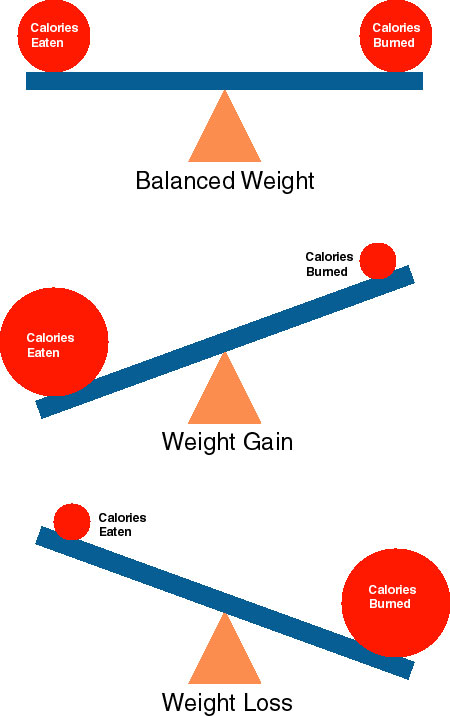
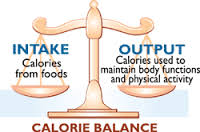
The basic principle behind weight loss, and weight gain, is “Energy Balance.”

url

If you want to lose weight, eat less Calories than you burn; if you want to gain weight, eat more Calories than you burn.  It’s that simple. (Source | More reading about energy balance)  There are some that believe that they’re made differently; that they’re somehow special and live outside the laws of our universe.  If you think that about yourself, I’m sorry to break it to you, but you are not exempt from the First Law of Thermodynamics.  If you are, please submit your body to science, as you’re the first being that has managed such a feat.

But I’ve heard certain foods make you fat and others make you skinny!

If someone tells you that certain foods, by default, make you fat, they don’t know much about nutritional science.  Likewise, if they say a food will make you skinny, they’re terribly misinformed, and are likely trying to sell you an agenda.  To illustrate this point, let’s discuss the three main macronutrients (commonly referred to as “Macros”):  Fats, Carbohydrates, and Proteins.  As a blanket statement, we can say that all foods are comprised of a combination of these, as these are “energy yielding” nutrients–  That’s just a fancy way of saying they contain Calories.  In fact, a “Calorie” is really just a measure of how much energy is contained in the food from the combination of macros.  (Source)

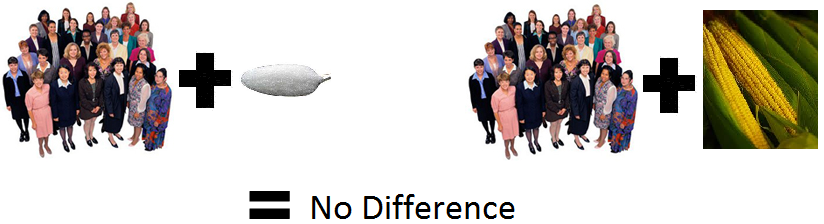
A common misconception about macronutrients is that your body can differentiate where it came from–  People claim there is a magic sensor inside your body that tells your body if the sugar molecule you consumed came from ice cream vs. a banana, and it should treat it differently.

Your body can’t.

This is why flexible dieting works.  In the body, all macronutrients are broken down into “substrates;” Carbohydrates, no matter where they came from, get broken down into one of 3 “Monosaccharides;”  Proteins, no matter where they came from, get broken down into individual amino acids;  Fats, no matter where they came from, get broken down into (or remain as) triglycerides.  (More reading on Macronutrients)

Are you sure that’s right?

Yes.  To illustrate, though, let’s look at two different foods, and what will happen when eaten.  Let’s take a twinkie.

url

A twinkie has 4.5g of Fat, 27g Carbohydrates, and 1g Protein.  Let’s compare that to a 100g of avocado: 15g of Fat, 9g Carbohydrates, and 2g Protein.  In both cases, the Fats will be broken down into triglycerides; the Carbohydrates will all be broken down into one of three monosacharides (Glucose, Fructose, or Galactose); and the Proteins will all be broken down into individual amino acids.

I’m still not convinced.

Let’s take an even simpler example:  Let’s say you have a can of cola sweetened with high fructose corn syrup, a bottle of cola sweetened with sugar, and a banana–  3 examples that are all very high in carbs.  What will all of the carbs in these examples be broken down into?  1 of 3 monosaccharides:  Glucose, Fructose, or Galactose; and they’re all the exact same molecule.  (Source)

Truth.

Truth.

I’m still not sure I believe you.  How can you lose weight eating “bad foods”?

First off, I can’t think of anything that I’d call a “bad food.”  There are foods that aren’t very nutritious, but it’s still not a “bad food.”  Thinking of foods in terms of “good” and “bad” is a poor mentality to have.  Also, there’s a fantastic story about a nutrition scientist that wanted to demonstrate the principles of energy balance to his students by following a 10 week “convenience store diet,” and he ended up losing 27 pounds.  (Read about it here)

So I should go eat twinkies all day!?

Not exactly.  While it’s true that a “Calorie is a Calorie” in terms of body composition / energy balance, there is something else to consider.  In my next post, I’m going to talk about nutrient density and variety, which addresses this.  Many people will make the claim that not all Calories are created equal;  from a healthful diet standpoint, they do have a point; in terms of fat loss, though, they’re way off!

Archive for the ‘Nutrition’ Category:

Accurately Measuring Frozen Yogurt

When I was young, I wanted to be a scientist–  There was a wide variety of fields I considered, such as paleontology, astronomy, geology, astrophysics, engineering, and others.  At some point along the way, I deviated from my passion for science, and instead pursued the arts.

. . .  Oddly enough, the arts brought me back to my passion for science.  I’m now in school with the eventual goal of a M.S. in Nutritional Science (Possibly a PhD), and I now research all subjects thoroughly so that I have scientific evidence to back up my claims and recommendations.  (You’ll also notice that my blogs started containing sources.)

It’s easy to get sucked into the sort of anti science mindset that is stereo-typically associated with artistic types.  For a while, I was anti GMO, believed in faulty nutritional science, and wrote a lot about pseudo-scientific topics on this blog.  I’ve actually gone back and destroyed that evidence–  I don’t want to contribute misinformation to the Internet.

1921871_808153689213070_315568724_n

While quite a bit went into my rediscovery of my passion for science, there are 5 different moments in particular that had a pretty profound effect on me, and they all happened within a relatively short time period; and that is something I would like to share with you.

“Why are GMOs bad?”

I was against GMOs–  They seemed horrifying!  You see all of these memes shared on Facebook that talk about the different health risks of these “Frankenfoods,” and indeed, if you lack the any knowledge in Biology (or disregard it), GMOs must be stopped.  One day, someone asked me, “Why are GMOs bad?”  I couldn’t think of a reason off the top of my head, and went to Google it.  The strangest thing happened–  I couldn’t find a single credible resource claiming any drawbacks whatsoever (health or otherwise), but found plenty of credible, scientifically based resources proving their safety and efficacy.  I’m not afraid to admit when I’m wrong, and this was a time when I most certainly was.  My position has changed, and I have evidence to back me up.  (Source)

“You know protein causes a spike in insulin, right?”

I spent a lot of time spinning my wheels–  Years, in fact.  I wasn’t able to lose weight no matter what I would do.  For a while, I thought following an extremely low carb diet would work for me, and indeed, I saw an initial result (as everyone does), but that was it.  From reading a myriad of incorrect articles, I thought that restricting carb intake would suppress insulin release, thus turning off my body’s ability to store fat.  This would eventually, hypothetically, lead to ketosis, where my body would “burn fat” for fuel.  All of this was wrong (which I’ll address later), but I had no idea.  I explained this logic to someone on a forum, and someone else asked, “You know that protein causes a spike in insulin, right?”

I immediately started researching, and eventually found a plethora of scientifically based articles proving that person’s point.  (Source 1 & Source 2)

This is very similar to the next–

There are several main reasons that I recommend retaining carbohydrates.”

Dr. Layne Norton (PhD Nutritional Science) is a. . .  I don’t want to say a hero of mine, but I definitely respect him and look up to him.  I trust the information he puts out not only because of his education and experience, but because research backs his advice and recommendations.

That said, he has a fantastic article (more like novella) about preparing for a bodybuilding show, and right off the bat, he talks about the importance of consuming carbohydrates.  At this point in my life, I thought that bodybuilders ate no carbs to prep for a competition, and indeed, I came across this article just around the time I had become enlightened to protein’s effect on insulin.  This completely shook up my world–  For the better!  After reading the article twice through, I started reintroducing carbohydrates into my nutrition plan.  (Source)

Citation Needed

I had started putting a lot more energy into my research; I was also very strict, limiting myself to only reputable resources with adequate research backing it up. . .  I was also adding these resources to the end of my blog posts–  I had begun looking for sources in everything I read, so I wanted to provide those to my readers.  There’s a phenomenon that I used to believe in that basically said if you diet a while, and then have a massive cheat day, your body won’t absorb those Calories because, and I quote, “your body doesn’t know what to do with all that food.”  Someone recommended I write a blog post on that subject, and when doing research, I couldn’t find any evidence to support this claim, but mountains of evidence to the contrary.  In fact, as I’ve learned in my textbook “Nutrition (5th Edition),” the human body can absorb at least kilograms of Carbohydrates, 500g of Fat, and 500g – 700g of Protein.  For a little perspective, that means, at an absolute minimum, your body can absorb at least 10500 Calories a day (but really, is capable of significantly more).  (Source)

It’s worth noting that my notoriously insane, regularly scheduled cheat meals also helped me not lose weight.

Beta – Oxidation

The final event–  my complete turn to the right side of The Force, came when I was studying the textbook for my NASM certification.  The book is very science heavy (as it should be), delving into physiological topics such as biomechanics, bioenergetics, anatomy, metabolism, and much more.  The book details beta-oxidation, a dominant metabolic pathway, and one that is lipolytic (fat burning).  All that work to convert my body to “burn fat for fuel” by not eating carbs, and my body already did it daily.  (Source 1 & Source 2)

“Zealot”

What was even more amusing is that, in addition to these instances, my first science class after returning to school managed to break down all of the remaining pseudo-scientific myths that I hadn’t yet let go of.

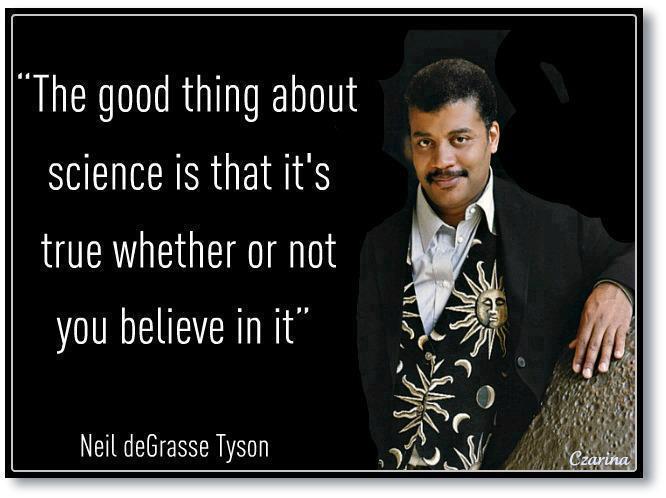
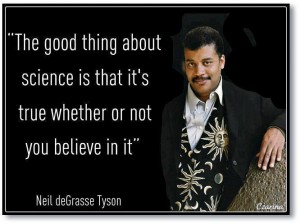
I am now so pro science that I would almost classify myself as a zealot; but I mean that in the best possible way.  If you don’t trust in science, what can you trust?  What can you believe?  If you reject science, do you think the Earth is flat?  Do you believe in the geocentric model of the Universe?  I know that’s a bit of a “Slippery Slope Fallacy,” but I maintain that it’s a fair argument–  How do you choose what science to reject and what to “believe”?  Science has done so much for humanity, continues to do so, and I want to contribute to that; I want to help spread the word, and help people achieve their goals!  Remember:
Preach it!

Preach it!

Archive for the ‘Nutrition’ Category:

Accurately Measuring Frozen Yogurt

Meal Planning & Tracking is the most important aspect of achieving your goals, and it takes some time to not only get in the rythym of it, but to also know how to do it effectively.  Here are a few tips:

Tip #1 – Make sure all of your foods are an option in your tracker!

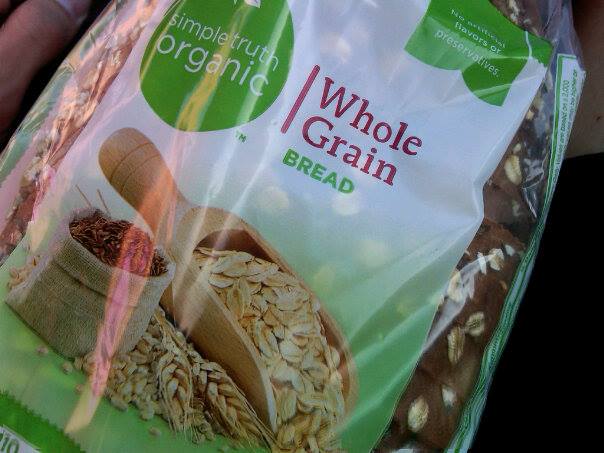
I consume a lot of the same foods on a weekly basis, but I am always looking for ways to enhance variety, and work in specific cravings.  For example, I was recently overwhelmed with a craving for whole grain bread, so I went to the store and got a loaf.

I can't explain it.

I can’t explain it.

The first thing I did when I got home:  Entered in the completed nutrient breakdown into my SparkPeople.com account.

This is a sort of ritual for me after every shopping trip where I add something new to my nutrition plan–  The very first thing I do is put it into my tracker.  I often opt to create my own entry rather than rely on the ones already entered because those already entered usually:

  • Aren’t entered using the metric system.
  • Aren’t always complete.

Tip #2 – Measure individual foods in meals as you go along!

When preparing a meal, it is absolutely imperative that you measure and update each ingredient as you go, otherwise, you will have no way of knowing how much of which ingredients are present in your meal.  So how do you do that?  Simple.  Weigh it all as you go!  If you’re making spaghetti and chicken:

  • Weigh the chicken before you prepare it and enter it into your tracker.  (If it’s frozen chicken, weigh it frozen, if it’s already cooked, weigh it directly out of the bag.)
  • Weigh the pasta dry before cooking.
  • Put the cooked pasta and chicken on a plate on your food scale.  Turn on the scale, and weigh out the amount of tomato sauce you used.

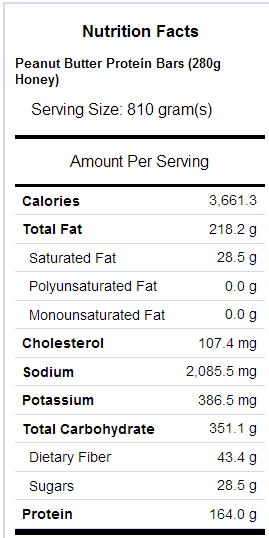
Now for more involved recipes, the principle is the same.  Take for example the No Bake Peanut Butter Protein Bars:

  • Weigh each individual ingredient as you go, and calculate the nutrient totals for each ingredient.
  • Combine the weight of each ingredient (since they’re all dry) to figure out the total “yield;” combine the nutrient totals for each ingredients to find out the complete nutrition facts for the yield.
  • Enter those nutrition facts into your tracker using your total yield as the serving size.
  • When you want to eat some of the food, weigh out each piece, and input that as the updated serving size.
What that recipe looks like in my SparkPeople.

What that recipe looks like in my SparkPeople.

It sounds a little complicated, but after you do it yourself once you will understand, and then it will be easy!

Tip #3 – Use a “Mole Fraction” to measure bulk prepared foods!

My kitchen is my lab!

My kitchen is my lab!

If you don’t remember the “Mole Fraction” from chemistry, don’t worry, I’m not even going to bother explaining it here.  The principles we’re going to use is the exact same, though.  We’ll continue with pasta as an example.  Let’s say you’re cooking a big pot of pasta, but don’t want to prepare separate pots of it for your serving vs. everyone else’s pasta.  Follow these steps:

  • Weigh out the pasta first, and try and stick with servings (Though, it’s not necessary). To make this easy, let’s say there are 5 people eating; let’s get 5 servings.  The pasta I eat is 56g per serving, so we would weigh out 280g of pasta (56g * 5).
  • Cook the pasta.
  • Obviously we can’t weigh the pasta afterward the same as before because the absorption of water will change the weight.  We can, however, use a sort of “Mole Fraction:”
    • Weigh the total amount of pasta cooked after draining it.  Let’s say it weighs 600g total.
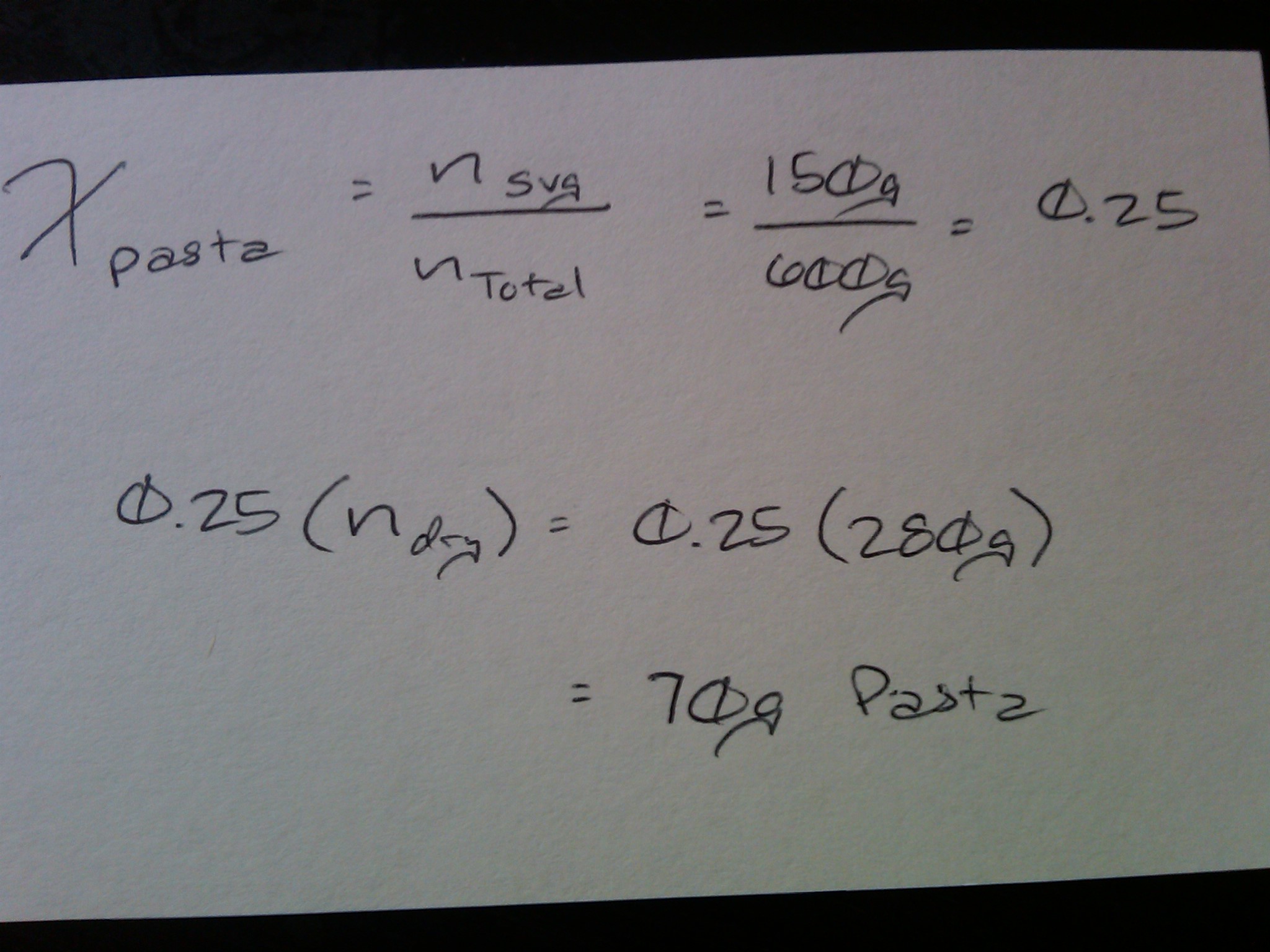
    • Serve yourself and weight it–  Let’s say you scooped out 150g worth of pasta.  Now, we’ll set up our “Nutrition Fraction;” divide the amount you served by the total cooked amount.  This will give us the percentage of the food you served.  (In the case of our example, 0.25, or 25%.)
    • Next, multiply that by the dry measurement–  That’s how much pasta you were served and how much you should put in your tracker (70g, a bit more than a serving).  Here’s how to set it up on paper:
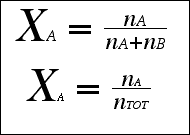
"X" represents the ratio of pasta served, and "n" represents the various measurements of pasta.

“X” represents the ratio of pasta served, and “n” represents the various measurements of pasta.

  • Let’s say we need to be more precise and need to figure out how much to serve rather than calculate how much was served:
    • In the case of our pasta example, let’s say you want just 1 serving of the 5 we cooked; and cooked, it came out to 600g.  Find out what 1/5th of 600g is:  [(1/5)*600] = 120g.  Now you know that you need to serve yourself 120g of cooked pasta to get the equivalent of 56g of dry pasta.

Tip #4: Measure and track everything as accurately and precisely as possible.

This post wouldn’t be complete without reminding you of that!

Archive for the ‘Nutrition’ Category:

Accurately Measuring Frozen Yogurt

I measure everything I eat–  Unless it’s something packaged, processed, and sold by weight where I know how much each individual item is, it gets weighed on my food scale.  Actually, even some of those items get weighed.

I had a client ask my how much of my day is spent weighing my food, so I set out on an experiment–  I also made a video about it:

To answer the question: 10.5 minutes total.  Such a small part of my day is devoted to measuring, and that 10.5 minutes isn’t even all at once–  That’s spread out throughout the day.  It works out to 0.73% of your day.  If you think of your day like a dollar bill, that means that less than a penny is “spent” on measuring my food for my goals.

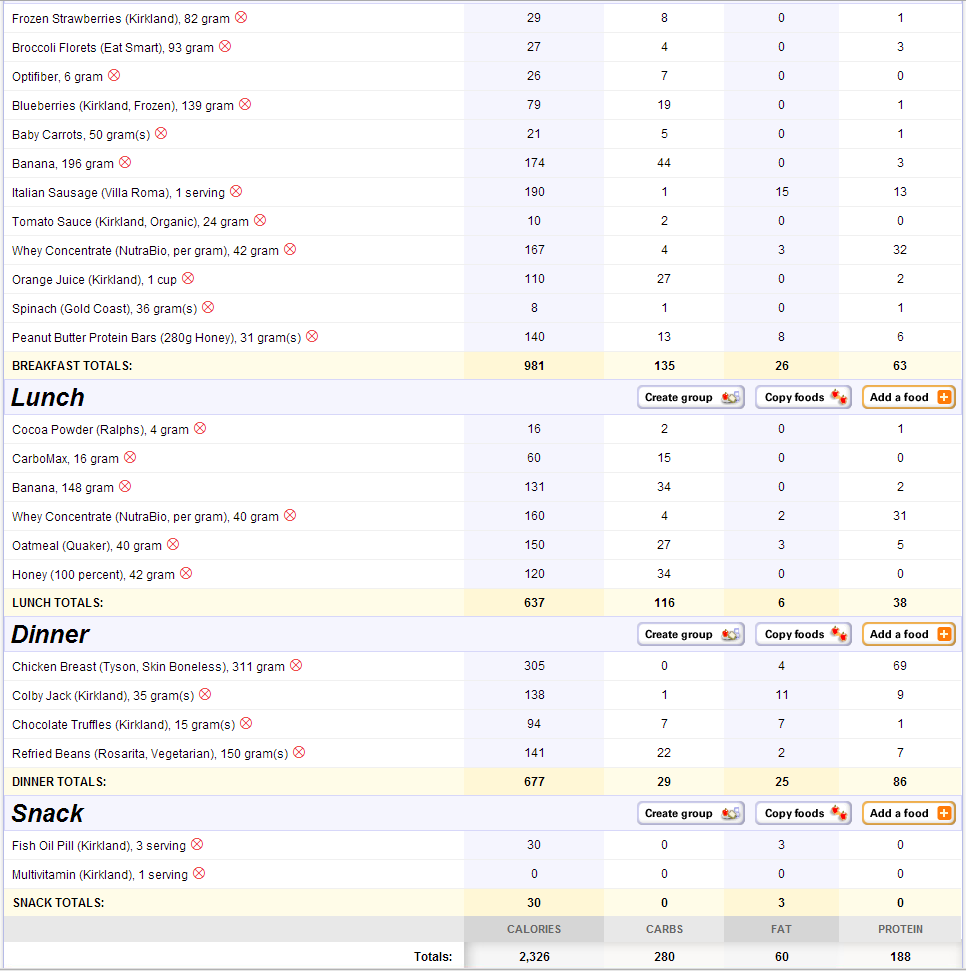
Something else I would like to discuss (that isn’t in the video) is what my day looks like when it’s planned vs. how it ends up–  It evolves quite a bit as I update everything as it’s measured.  Here’s my tracker at the start of the day:

VlogStart1

There’s a lot of food there, so my final stats got cut off, but it ended up at 2,261 Calories; 273g Carbs; 54g Fat; 192g Protein.  Here’s how my tracker looked at the end of the day:

VlogFinish

I finished my day at these totals: 2,326 Calories; 280g Carbs; 60g Fat; and 188g Protein.  I was within my macro ranges, and came in just below my Calorie needs.

Recent Blog Posts